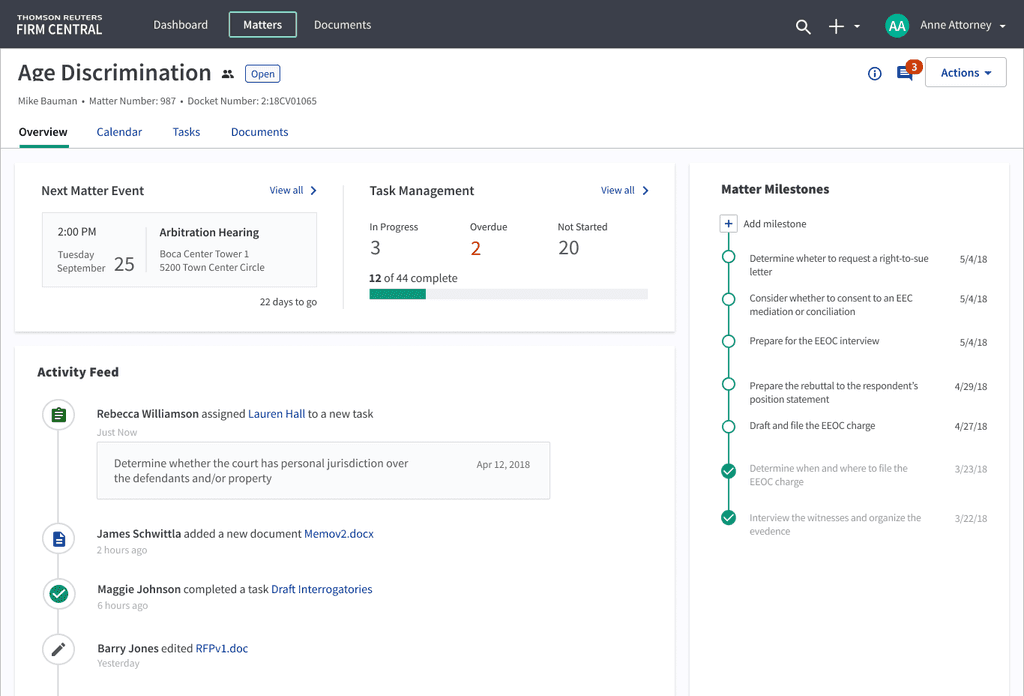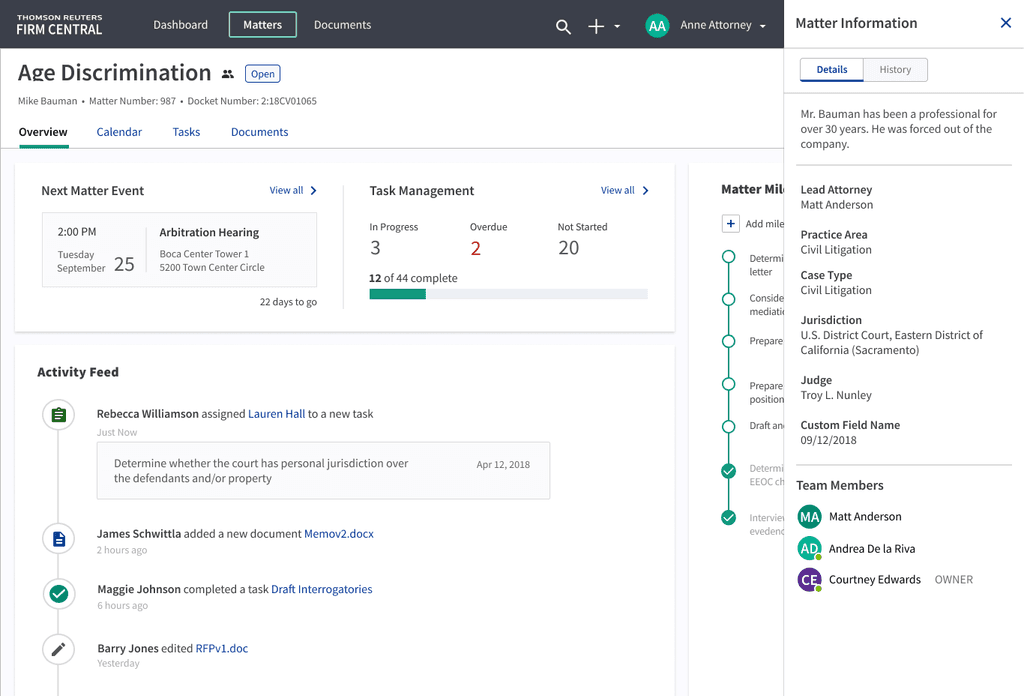
My Role: Senior UX Designer
Team size: One
Legal professionals don't have patience for bad software. When you're managing million-dollar cases with tight deadlines, every click matters. Our research revealed some sobering truths:
User Frustration: Lawyers were abandoning tasks mid-flow, leading to incomplete case documentation
Training Overhead: New users required 3+ weeks to become productive with the system
Business Impact: Poor usability was directly affecting client satisfaction and retention
Technical Debt: Multiple inconsistent patterns across the platform were slowing development
But here's what made this project strategic: Matter Management was used by 90% of our users daily. If we could get this right, we'd impact the entire user experience while creating scalable patterns for our growing product suite.
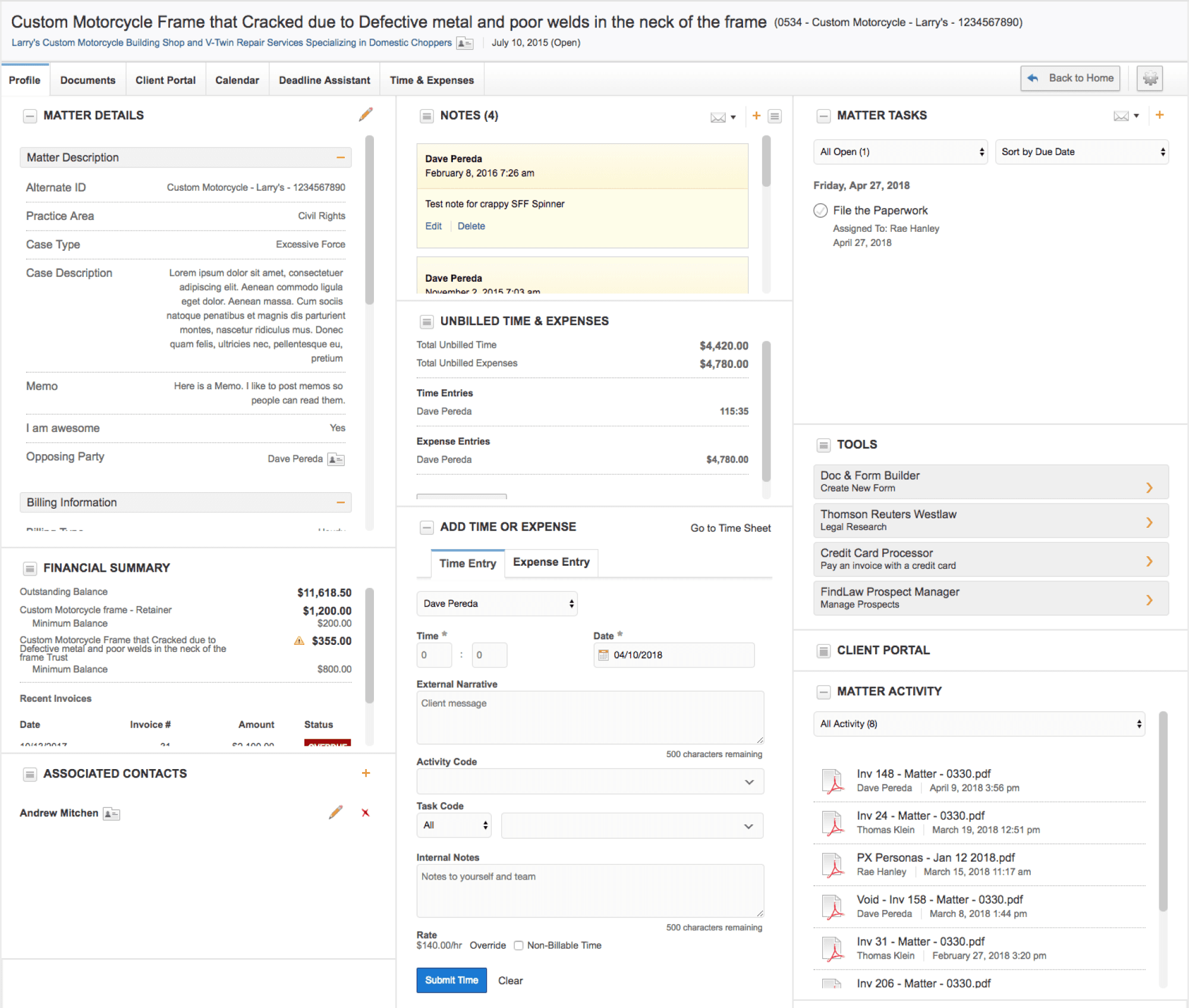
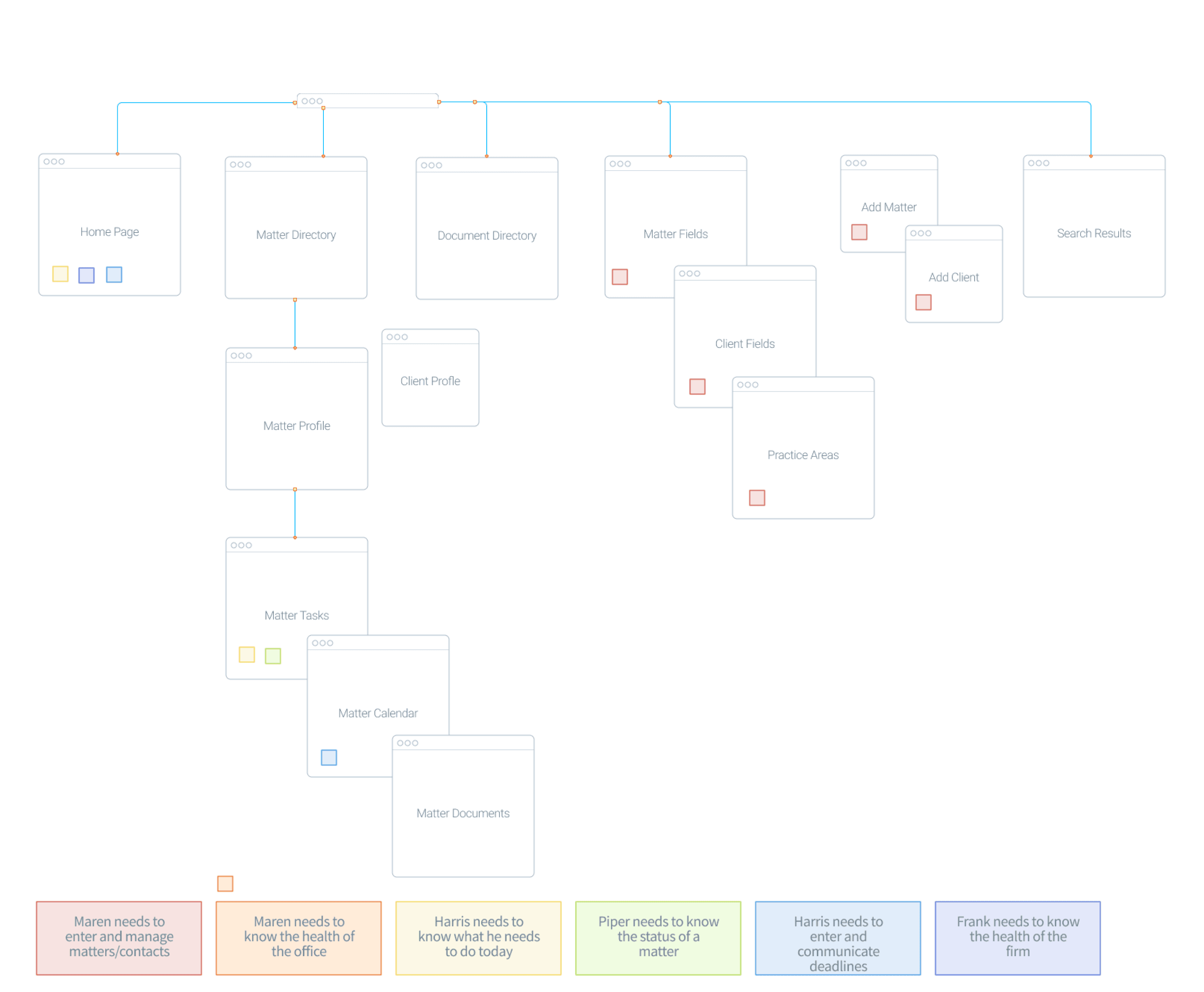
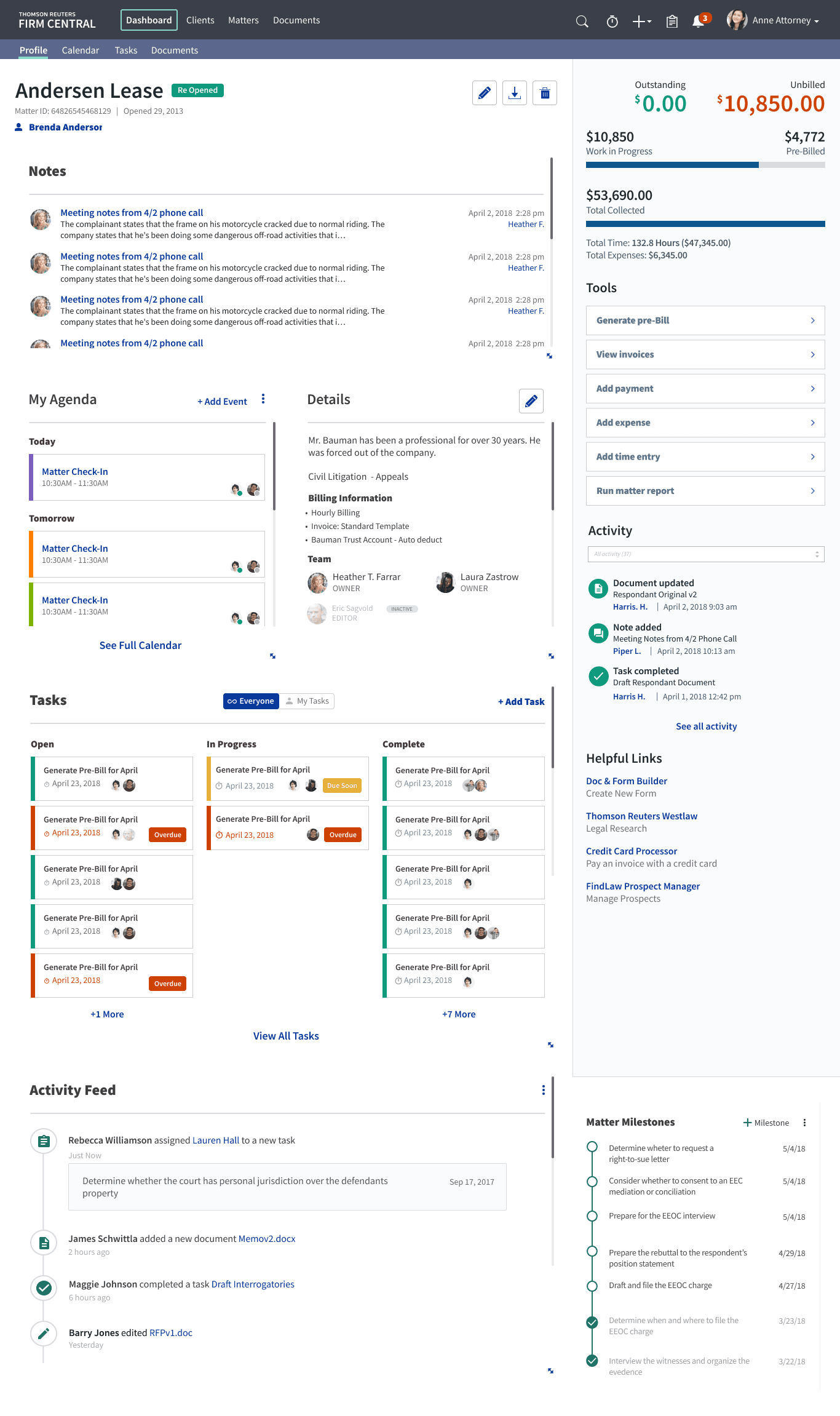
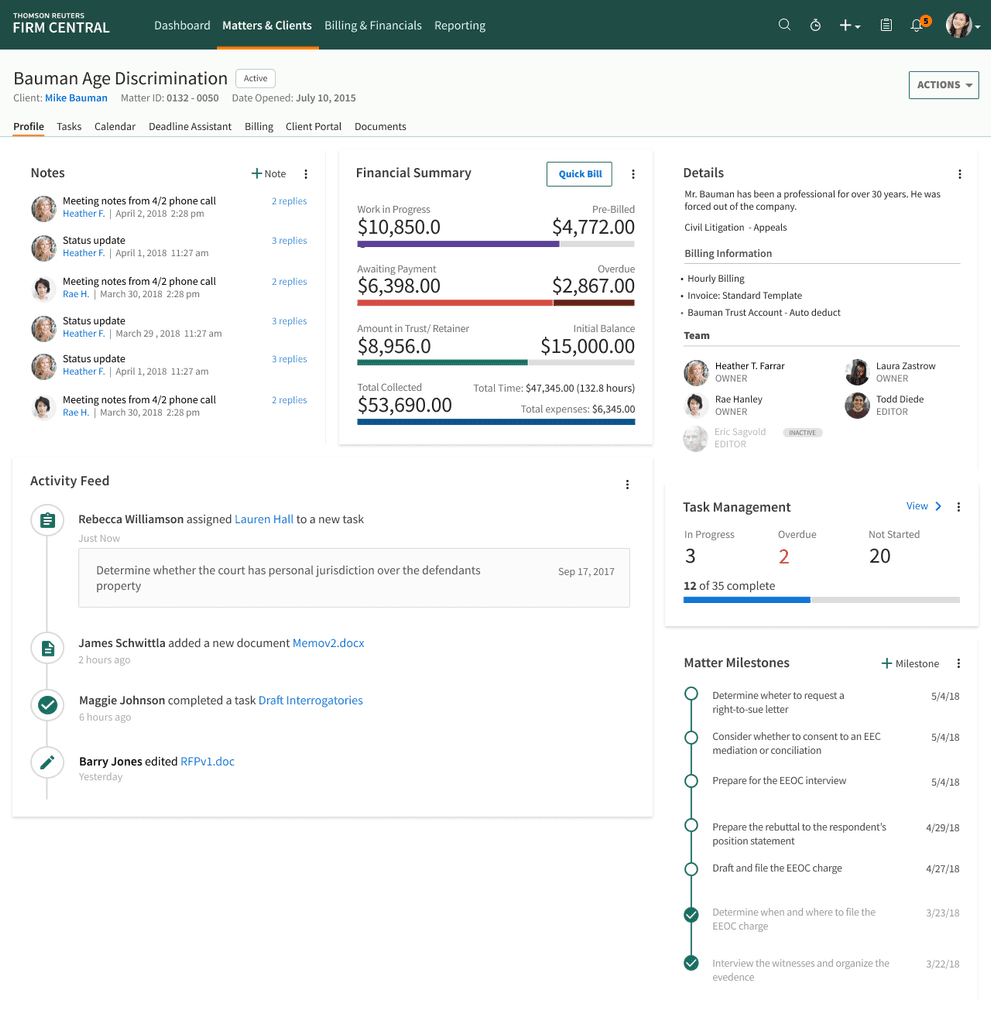
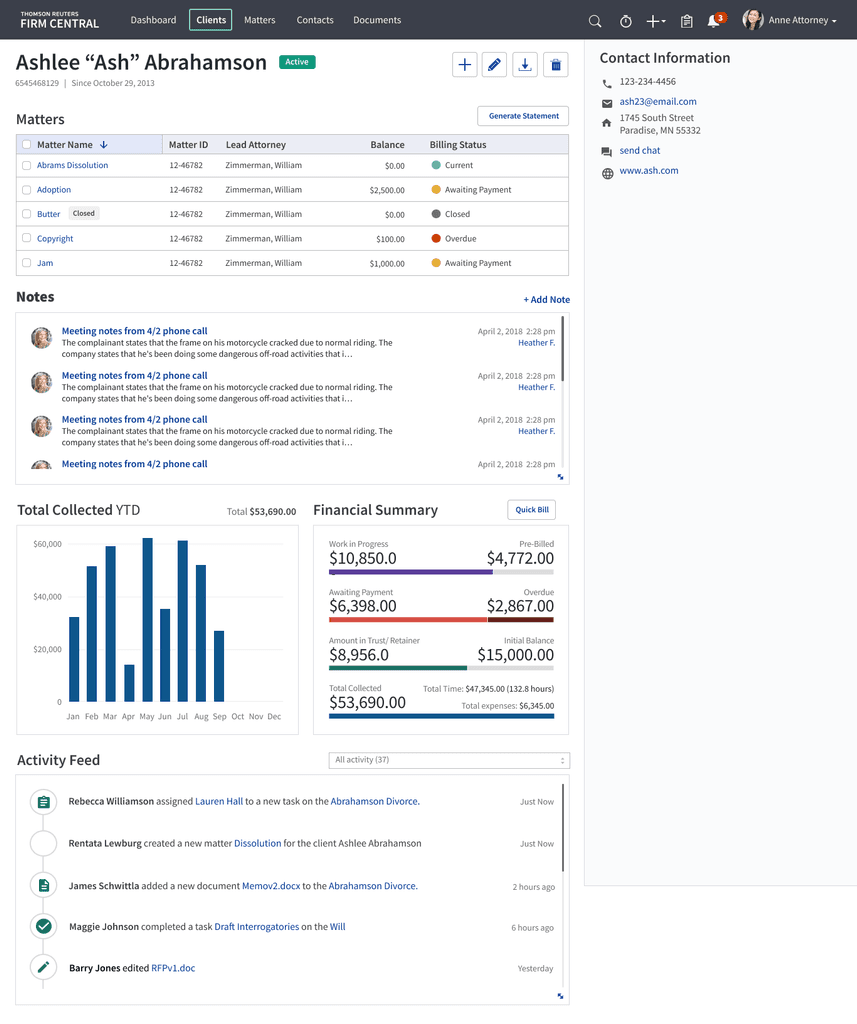
Existing design
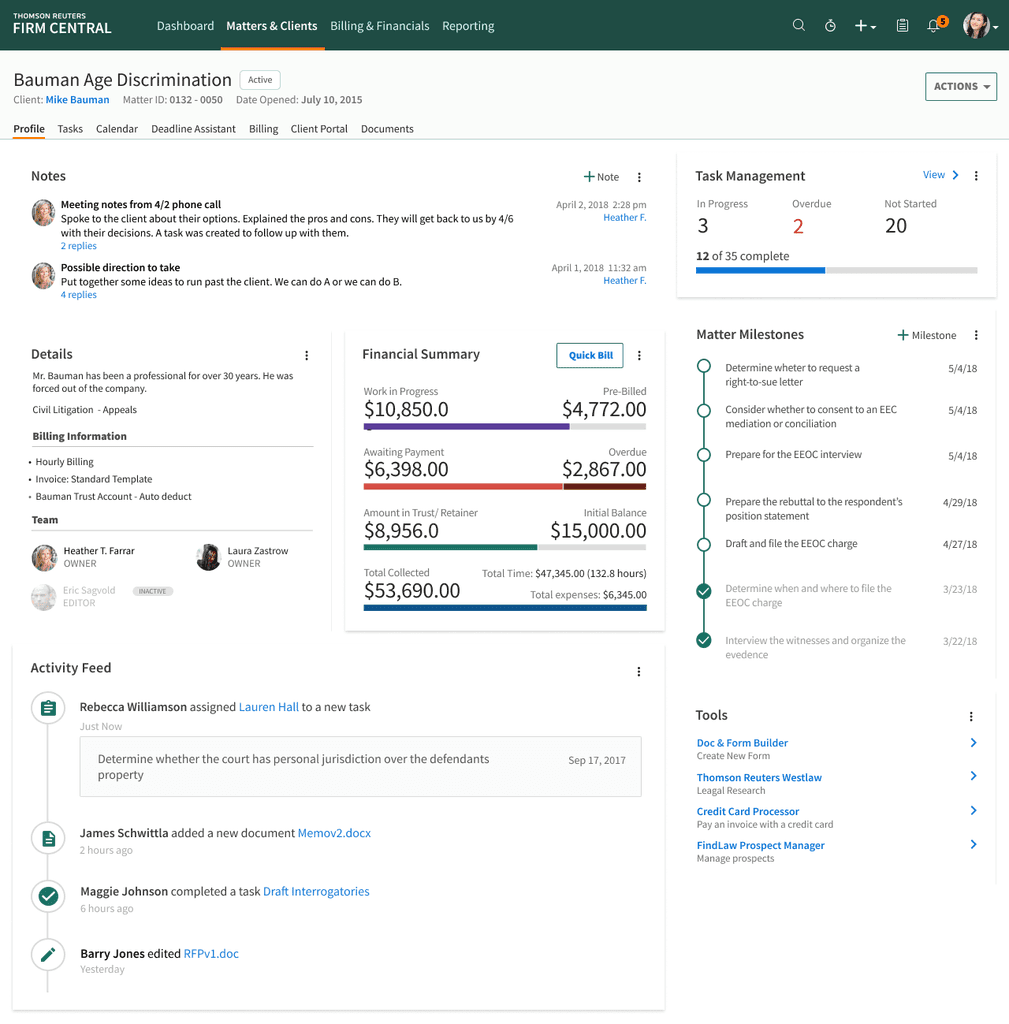
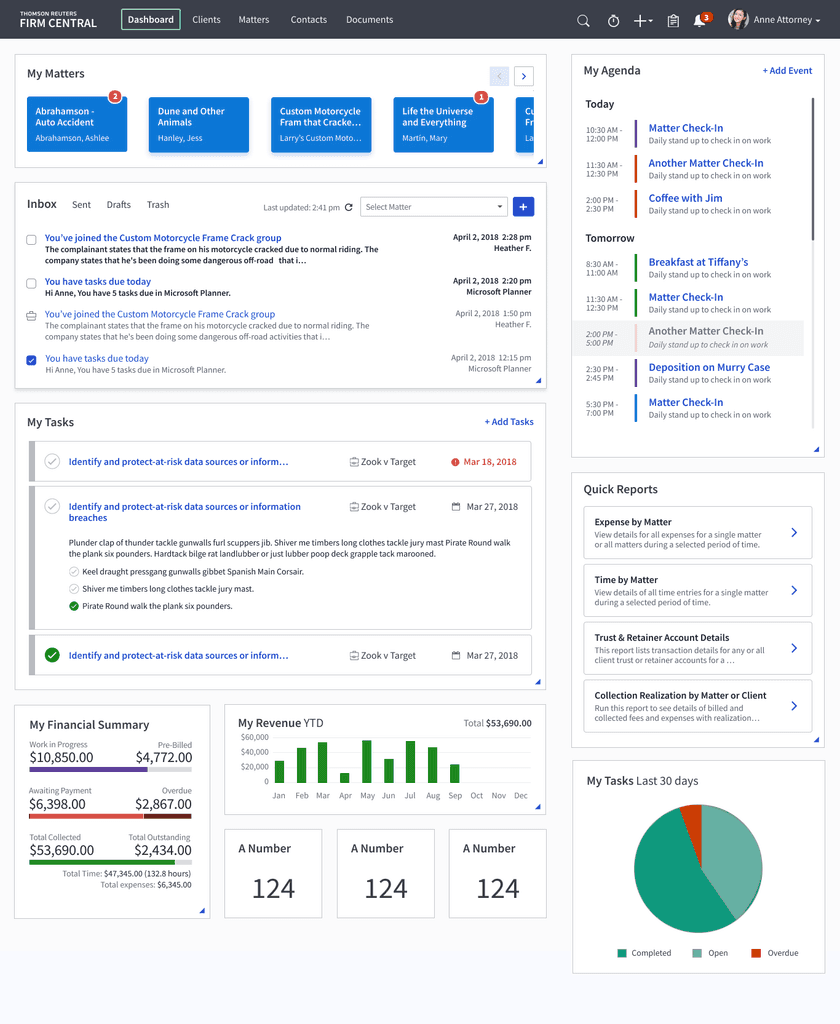
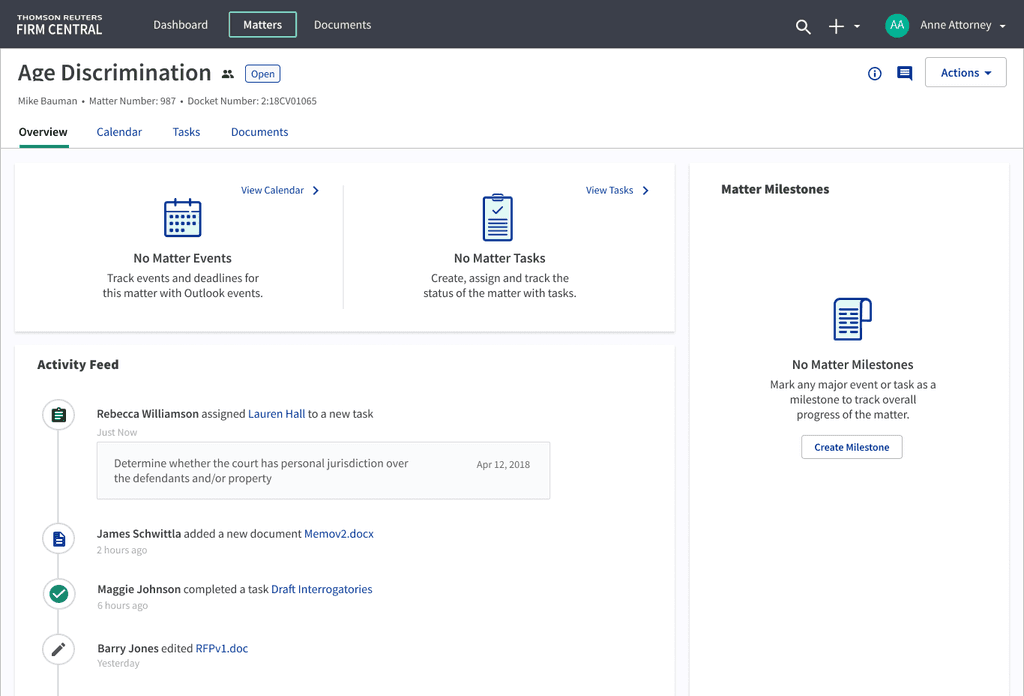
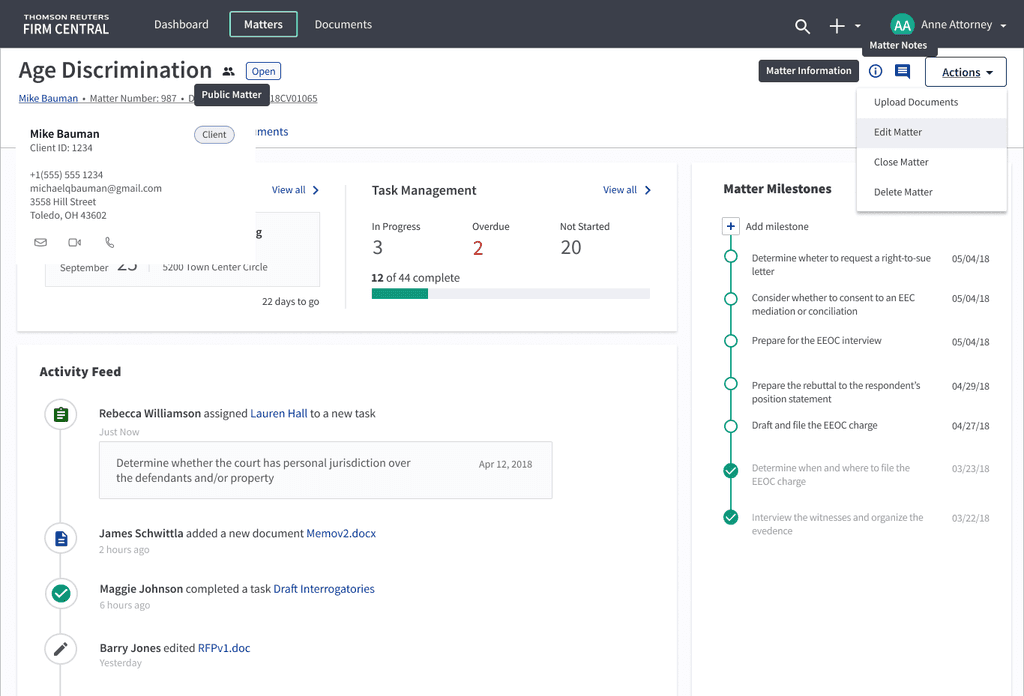
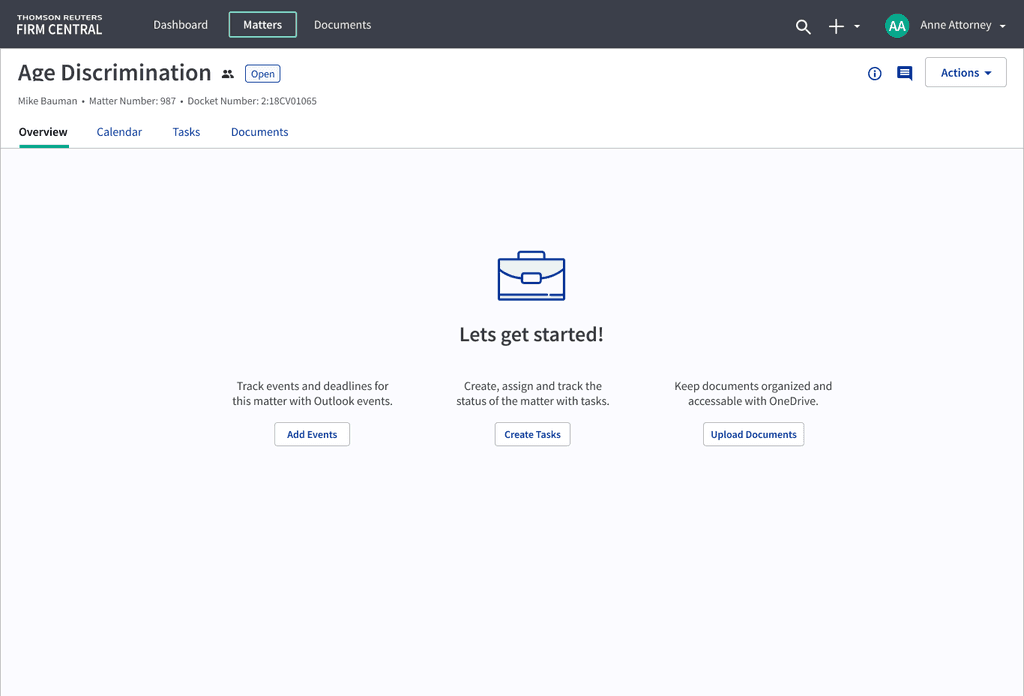
Early in the project, I made a crucial decision: instead of just redesigning screens, we would architect a component-based design system with Matter Management as our primary use case.
Component Inventory
I conducted a comprehensive audit of our existing interface elements:
43 different button styles across the platform
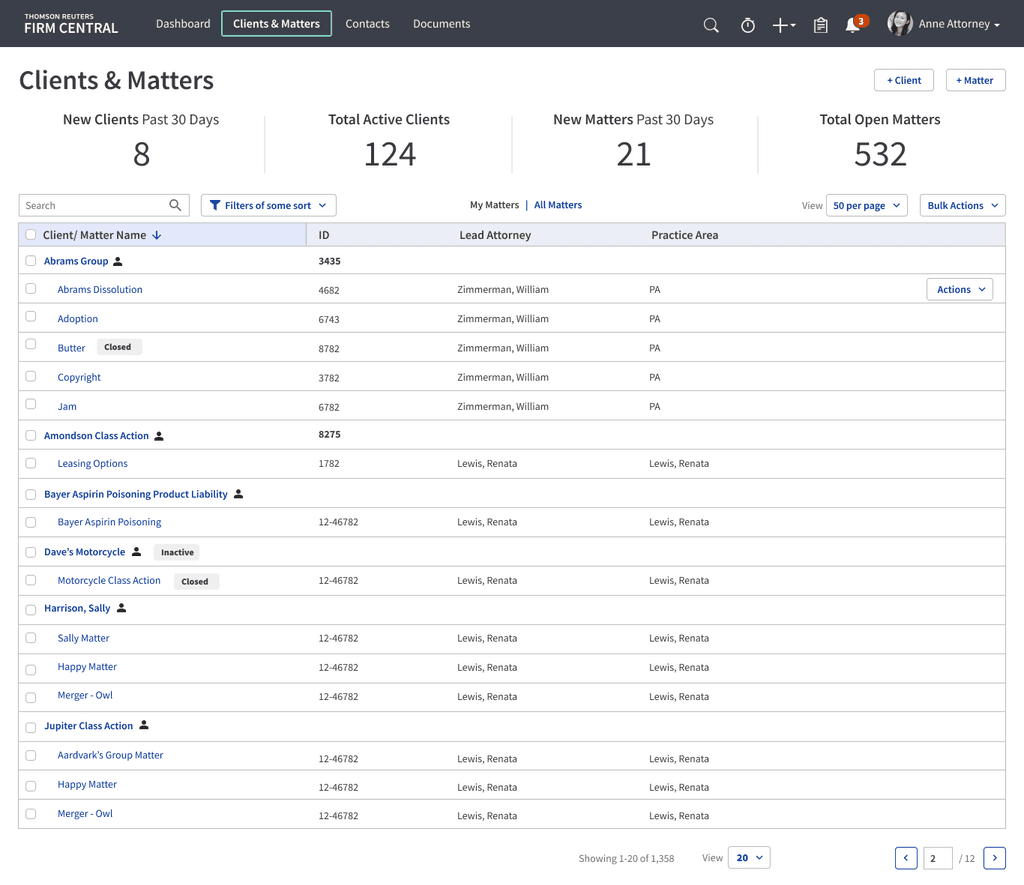
12 variations of data tables
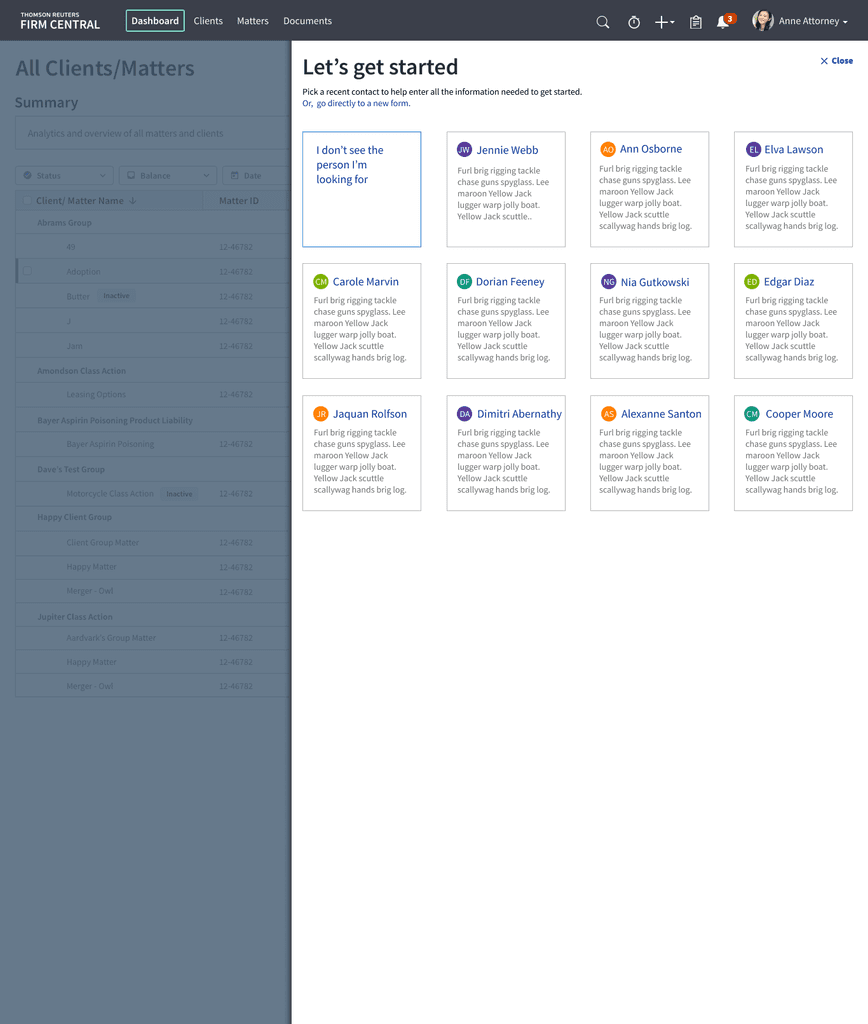
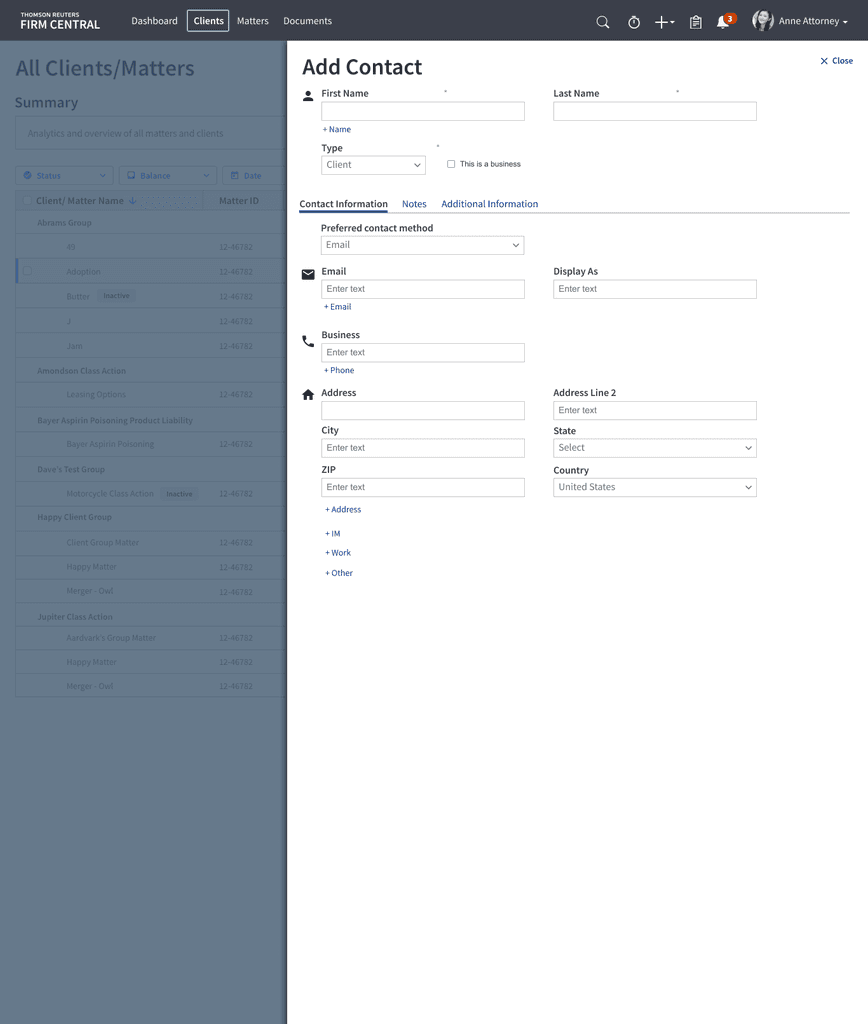
8 different approaches to form layouts
No consistent navigation patterns
This chaos was costing us development time and confusing our users. Matter Management would become our design system laboratory.
Solution Architecture
Core Design Principles
Progressive Disclosure: Show users what they need, when they need it
Contextual Workflows: Keep related information and actions together
Consistent Mental Models: Establish predictable patterns that users can rely on
Scalable Components: Build once, use everywhere